×

Learning

Emergent Writing

What is emergent writing?

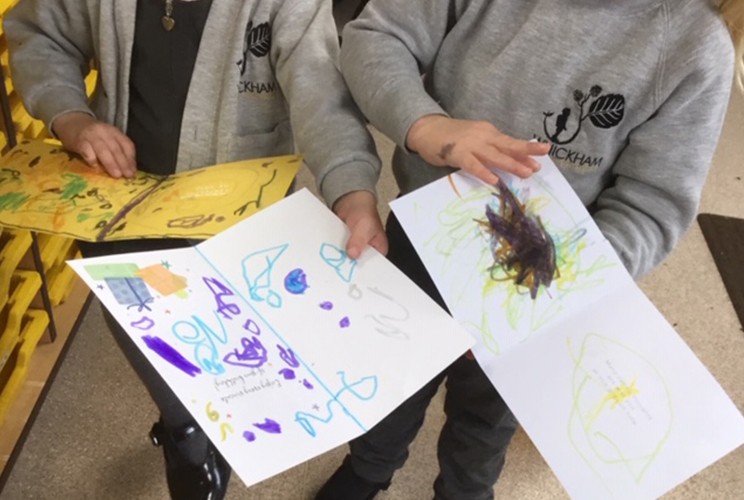
Emergent writing is the stage where young children discover that marks on a page can carry meaning. Before they can write letters, they need strong muscles, good coordination, and lots of playful experiences.

This explains what emergent writing looks like for your child, why muscle development matters, and how you can support it at home.

What emergent writing is

Emergent writing refers to the early marks, scribbles, shapes, and attempts at letter‑like forms children make as they explore how writing works. It includes:

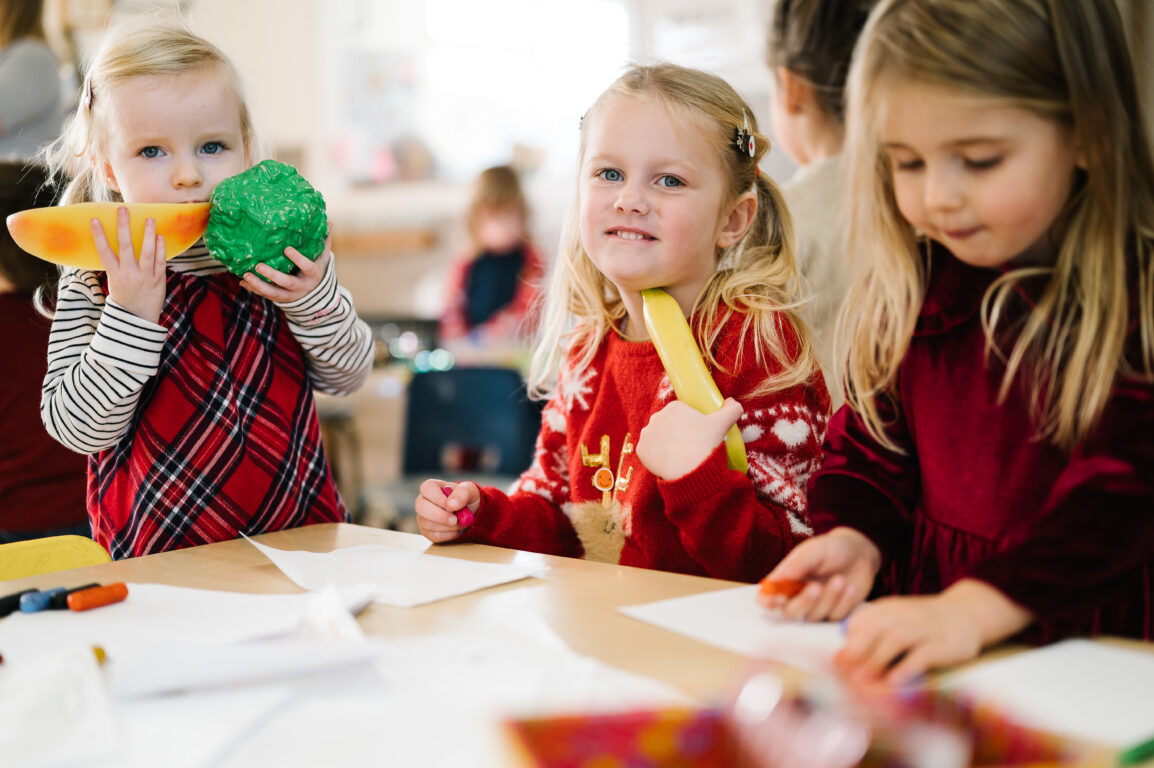
  • Mark‑making with crayons, chalk, paint, sticks, or fingers
  • Scribbling with intention (e.g., “This says my name”)
  • Drawing lines, circles, and patterns
  • Beginning to imitate letter shapes

These early marks show children are developing an understanding that writing communicates meaning, even if the marks are not yet conventional letters.

The key idea is that writing develops from the body outward: children must build strong gross‑motor, fine‑motor, and core stability muscles before they can control a pencil with accuracy.

Why muscle development matters

Writing is a physical act before it becomes a literacy skill. Children need strong, coordinated muscles to control writing tools. Research shows writing relies on three interconnected areas:

1. Gross motor strength

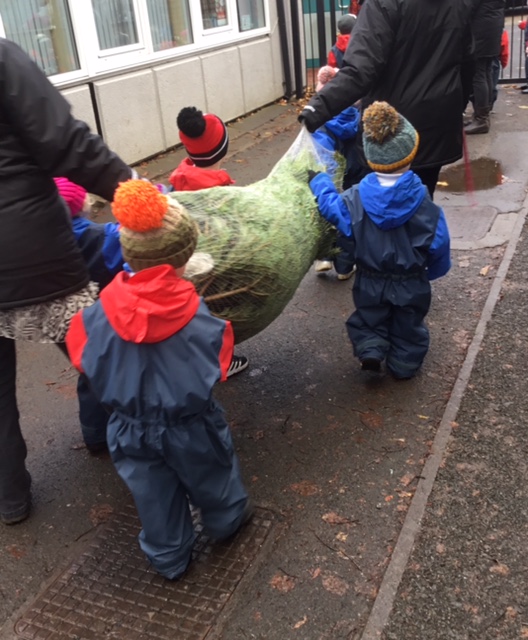
Large‑muscle movements build the foundation for writing. Activities like running, climbing, hanging, swinging, and balancing strengthen:

  • Shoulders
  • Arms
  • Core muscles

Strong shoulders and core provide proximal stability, which allows the hands and fingers to move precisely. Without this, children tire quickly or struggle to control tools.
2. Fine motor control

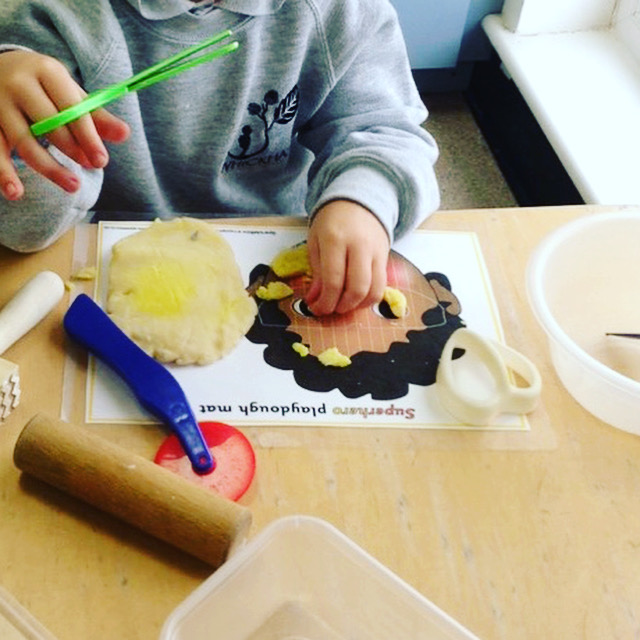
Fine motor skills involve the small muscles in the hands, fingers, and wrists. They help children grip, pinch, twist, and control tools.

These develop through:

  • Threading beads
  • Using tweezers
  • Manipulating playdough
  • Building with small blocks
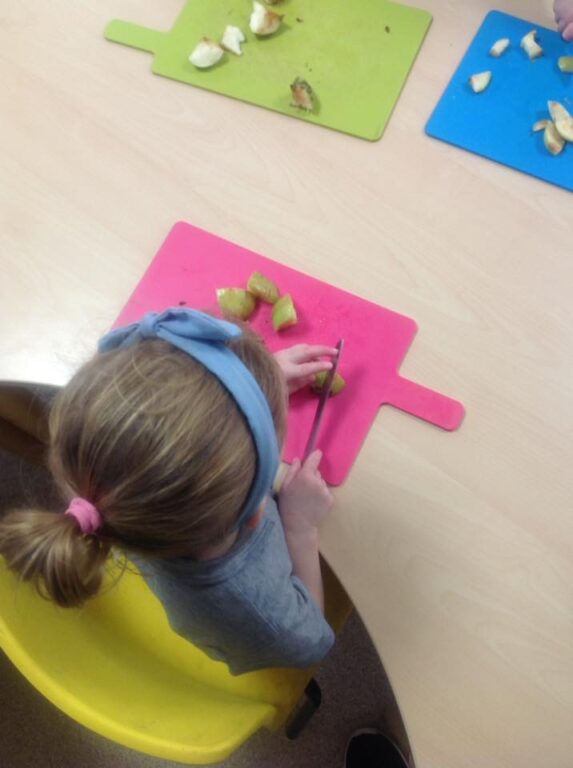
  • Cutting with scissors

These activities strengthen the muscles needed for gripping and moving a pencil.

3. Stability and posture

Children need core strength to sit upright and maintain posture while writing. Without stability, hand movements become shaky or inconsistent.

4. Sensory and hand‑eye coordination

Writing requires children to track their hand movements visually. Activities like pouring, painting, and drawing help children coordinate what they see with what their hands do.

How muscle development leads to writing

Research describes development as moving from the centre outward and from big muscles to small muscles:

  • First: head, neck, trunk
  • Then: shoulders and arms
  • Finally: hands, wrists, fingers

This is why children need lots of whole‑body movement before pencil‑and‑paper tasks.

Activities that support emergent writing

  • Climbing and hanging — builds shoulder girdle strength needed for controlled hand movements.
  • Bikes and scooters – develop core stability.
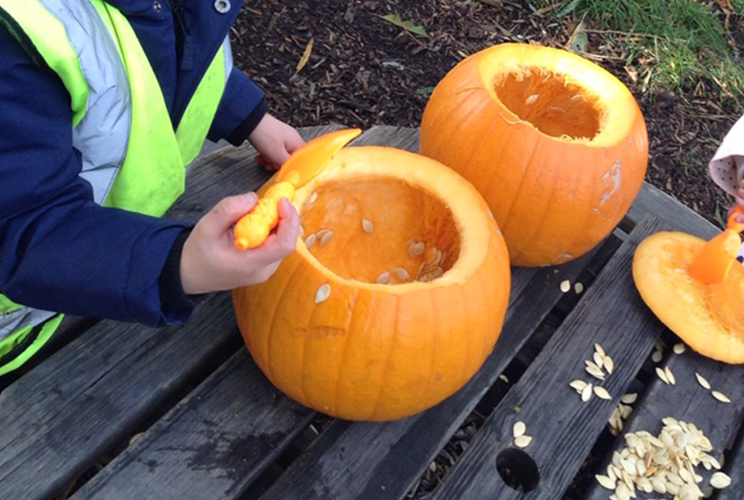
  • Playdough and clay work — strengthens finger muscles and improves dexterity.
  • Threading, pasta and bead play — supports pincer grip development.
  • Painting on large surfaces — encourages big arm movements that later refine into smaller writing motions.
  • Chalk outdoors – fun low pressure writing practice (or using brushes and water, or puddle painting outside on a sunny day)
  • Tweezers, tongs, and small tools — improves precision and control.
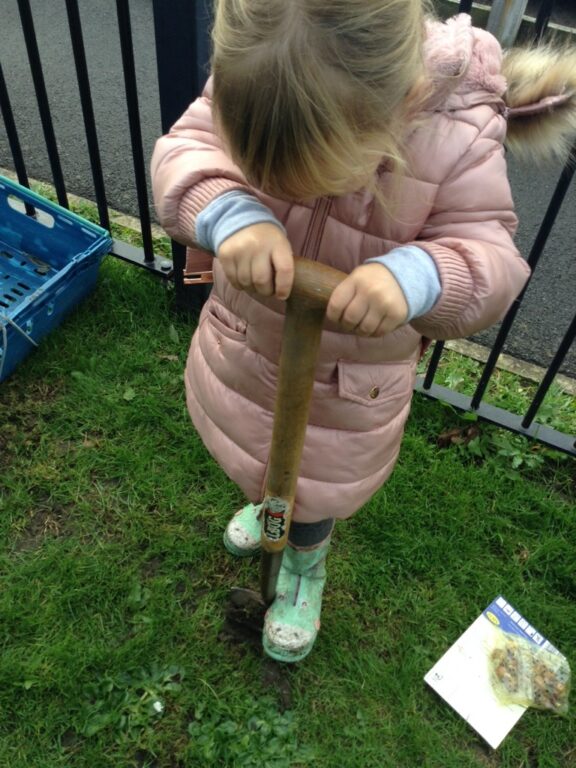
  • Outdoor pushing/pulling tasks — develops proprioception and pressure awareness.